The Clock Is Lying to You: How the Final 44 Seconds of Every Pick Decide Who Takes Home the Trophy
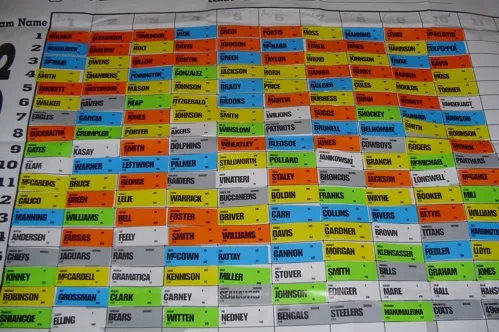
Photo: Andrew Dupont, CC BY-SA 2.0, via Wikimedia Commons
Nobody Remembers Pick 9. Everybody Regrets It.
Ask a league-mate about their draft and they'll walk you through Round 1 like it's a wedding speech. Nobody ever opens with, "Then with the 9.11, I grabbed a handcuff running back and a kicker I'd already decided to stream." But that's exactly where titles get built.
Here's the uncomfortable math: your first four picks are the ones everyone researched. Every ranking site, every mock, every YouTube draft guide has already told you who to take at 1.04. The information gap at the top of your draft is basically zero. The gap at the bottom — picks 8 through 12 of every round, the stretch where the timer dips under a minute and people start sweating through their lucky jersey — is enormous.
That's the 44-second zone. And if you're not preparing for it specifically, you're the one donating value.
What Actually Happens When the Clock Runs Low
Watch enough live drafts and a pattern emerges. When a picker gets inside that final minute, three things happen at scale:
1. Positional panic. The drafter looks at their roster, notices they have zero wideouts, and grabs the fifth-best available receiver over the clearly better player at another position. Needs are real, but needs don't erase value gaps.
2. Name recognition wins. Under time pressure, the brain reaches for the most familiar thing. That's why the 2019 version of a once-great player keeps getting drafted three rounds ahead of the ascending second-year guy with a clearer path to touches.
3. Queue autopilot. Half your league pre-loaded their queues from a magazine in July. When the clock forces a quick click, they take whatever was next in line — not what the board just handed them.
You can't control any of that. But you can position yourself to be the person collecting the fallout, pick after pick after pick.
Build a Second Board — Just for the Back Half
Your main draft board is for the first half of every round. Your second board is for the back half, and it should be organized differently. Instead of ranking players top to bottom, bucket them by what panic scenario they exploit:
- The Fallback Bucket: Players you'd happily take if the room reaches for need. These are guys whose floor survives a bad situation — a volume back in a murky committee, a receiver with a locked-in target share on a bad offense.
- The Hype Correction Bucket: Overdrafted names you're happily letting someone else grab. Writing down who you're fading is just as valuable as who you're targeting, because it tells you who falls.
- The Chaos Bucket: Late-round upside plays — the rookie behind a questionable starter, the veteran one injury away from a bell-cow role. These are your picks when the room is playing it safe.
Before your draft, run two mocks: one with a full clock, one where you force yourself to pick within ten seconds on even-numbered rounds. The second one is closer to what actually happens in Round 7 of a real draft when three people are on the phone and one is auto-drafting from a hospital waiting room.
Round-by-Round: Where the Mistakes Live
Every round has a different failure mode in the back half. Know them and you'll know what's about to get gifted to you.
Rounds 2–4: The Reach Zone. Someone in every draft talks themselves into a QB or tight end two rounds early because "the run is coming." Let them. Your job here is simple: if a run starts, don't join it — trade down the board and stack the position they abandoned.
Rounds 5–7: The Injury Scare Discount. A guy with a soft-tissue report from training camp starts sliding. The room overcorrects. This is the single best buying window in fantasy football — a healthy discount on a first-round talent because of a hamstring that will be fine by September.
Rounds 8–10: The Handcuff Frenzy. The room suddenly realizes handcuffs exist and drafts three of them for players who aren't even on their roster. Meanwhile, actual backup roles with standalone value sit on the board. Take the guy who'd produce even if nothing bad happens.
Rounds 11–13: The Kicker/Defense Theater. People start filling roster requirements instead of stacking upside. Every pick your league-mates spend on a defense in Round 11 is a pick they didn't spend on a second-year receiver with a 25% target share path. You take the receiver. You'll find a defense in Week 1 off the wire. You always do.
Rounds 14+: The Lottery Window. The clock pressure is gone but the attention is too — half the league is on autopilot. This is where you take pure lottery tickets: the backup with the clearest path, not the biggest name.
When to Let the Timer Run
There's a corollary skill here: knowing when you should burn the clock. If you're on the clock with two players of near-equal value, take the extra 30 seconds. Not because the decision is hard, but because the extra time sometimes forces the person behind you to tip their hand — a queue visible in the chat, a mumbled "dang" when your guy goes. Information is a draft asset, and impatience is how you give it away for free.
The inverse is also true: if your target is unique and the run behind you is obvious, snap the pick instantly. Speed denies the room the chance to jump your position.
The Takeaway
Your first four picks get you to the playoffs. Your back-half picks decide whether you're hosting the trophy or explaining your season in the group chat. Draft the whole clock, not just the top of it — because in a game decided by margins, the 44 seconds everyone else wastes are the seconds you get to spend winning.