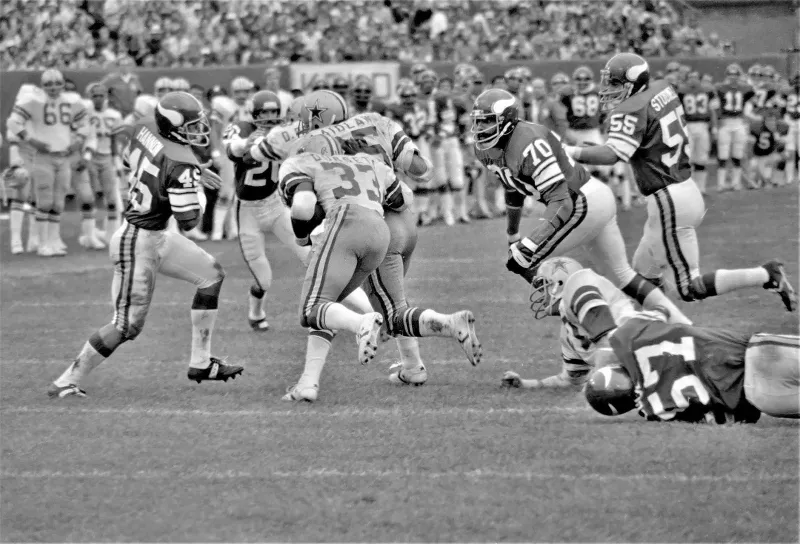
The Draft Ended. Now the Real League Starts: Your 48-Hour Roster Rebuild Playbook
Here's a stat we'd bet money on if Vegas would take it: more title equity changes hands in the 48 hours after your draft than in any single round of the draft itself. Nobody's watching. Nobody's grinding. Everyone's still riding the high of landing their guy in Round 3 or sulking about the tight end they reached for in Round 6.
That's your window. The 44-Hour Rule isn't an official stat — it's a discipline. While your league mates post screenshots of their rosters in the group chat, you're running a system. Here's the playbook.
Hour Zero to Six: Run the Cold Audit
The draft ends and you're emotionally attached to every pick. That's natural. You made those picks. But attachment is how managers talk themselves into keeping a bust.
Wait a few hours, then open your roster with fresh eyes and ask one question about every single player: did I get a discount, or did I pay retail?
- The guy you grabbed two rounds before consensus? That's surplus value. Hold.
- The reach everyone groaned about? That's a liability wearing your jersey. Shop it now, before the first preseason injury makes it obvious to everyone else.
The mistake managers make is waiting until Week 3 to move a player they already had doubts about in Round 7. By then, the market knows. Right now, only you do.
Day One Morning: Read the Wire Like a Scout
Depth charts shift fast once camp pads come on. A backup running back gets first-team reps. A rookie wideout runs with the starters. A veteran gets a dreaded "limited in practice" tag.
The 48 hours after your draft — especially in leagues that draft early — are when the first real information drops. Most managers are done scouting. They drafted. They're cooked. You're not.
Spend 30 minutes scanning injury reports and beat writer feeds for every team represented on your roster. You're not looking for news to react to. You're looking for news that changes value. A hand injury to a QB1 makes his WR1 cheaper to trade for and his handcuff free to claim. Same event, two moves.
Day One Afternoon: Find the Regretters
Every league has them, and they're easy to spot if you know the tells:
- The Overdraft Confessor. They texted the group chat "lol I can't believe I took him there." That's not humility. That's a seller.
- The Roster Tweaker. They made three waiver claims before lunch the next day. They know their roster is wrong and they're desperate to fix it.
- The Silent One. Picked a QB in Round 5, hasn't said a word since. Silence after a draft is rarely confidence.
These are your trade targets — not because they're bad managers, but because they're emotional ones, and emotion creates discounts. Reach out casually. "Interesting roster, curious what you're thinking at X position." You're not sending an offer. You're taking a temperature.
Day Two: The Sell List
By now you should have a written list with three columns: shop, hold, hunt.
Shop: Any player you overpaid for whose value is still riding draft-day hype. The breakout candidate coming off a career year in a contract situation that got worse. The aging star whose name carries more trade weight than his projection. Move these now, while the league still remembers last season's box scores instead of this season's depth chart.
Hold: Your discounted picks, your upside plays, anyone whose role could expand with one injury. Do nothing. Seriously — doing nothing is a move.
Hunt: The handcuffs behind your own backs, the second-year receivers buried on depth charts, the backups who'd be top-12 at their position if the guy in front of them sneezed wrong. These cost nothing today and everything in Week 6.
The One Rule That Ties It Together
Every move you make in this window should follow a simple principle: trade on narrative, hold on role. Narratives fade fast — "he's a bounce-back candidate" dies the moment he drops one pass in August. Roles are real. A player who gets 15 touches a game gets 15 touches whether the group chat loves him or not.
Buy the guys with secure roles and bad stories. Sell the guys with great stories and shaky jobs. That's the whole cheat code, and it works best when nobody else is paying attention.
Don't Be the Manager Who Cashes Out Early
Look, we get it. Draft day is the fun part. The research, the board, the pizza, the picks. But drafting well and winning are two different skills, and the gap between them is filled by exactly the kind of unglamorous work nobody wants to do on a random Tuesday in August.
Forty-eight hours. One audit, one wire check, one round of feelers, one sell list. That's the entire commitment.
Your league mates spent their draft capital in the draft. You're about to spend your time capital in the two days after. Guess which one compounds.