Stop Apologizing for Your Kicker: The Quietest Edge Left on the Board
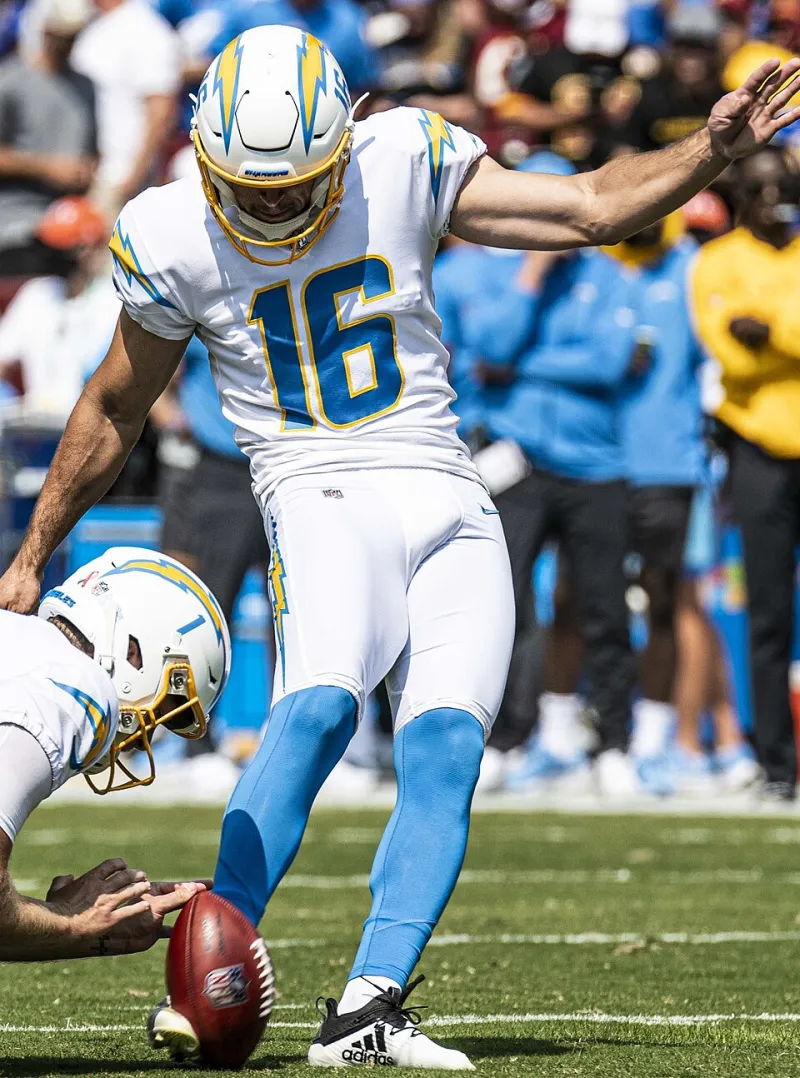
Photo: All-Pro Reels, CC BY-SA 2.0, via Wikimedia Commons
The Pick Everyone Apologizes For
You know the scene. It's Round 14, the board is picked over, and somebody types "sorry, league" in the chat right before selecting a kicker. Like they cut in line at the DMV. Meanwhile the guy who burned the same pick on a fifth receiver he'll drop by Week 2 gets a knowing nod.
That's backwards, and it has been for years. Kicker is the one roster spot where the free-agent pool is genuinely deep, the scoring is genuinely repeatable, and almost nobody actually does the prep. That combination doesn't come around often. When it does, you take it.
This isn't a plea to draft Justin Tucker in Round 9. It's a case for treating the position like a real decision instead of a chore you do on the way out the door.
The 44-Yard Rule
Here's the concept that should anchor your whole kicker process. Not all field goals are created equal, and neither is the coaching staff calling them.
Inside roughly 44 yards, most NFL kickers are close to automatic in good conditions — league-wide conversion in that range has hovered in the high 80s to low 90s for years. Past that number, the drop-off is steep and it's not evenly distributed. Some kickers have the leg and the green light; most don't get sent out there at all.
So when you evaluate a kicker, you're really asking three questions:
- Does this staff attempt long kicks, or do they punt from the opponent's 35?
- Does this offense stall out at the 25, or does it finish drives in the end zone?
- Does this kicker's home stadium help or hurt him eight times a year?
That's it. That's the whole job. The managers who answer those three questions before their drafts consistently beat the ones who sort by last year's total points and call it analysis.
Weather Is a Filter, Not a Coin Flip
Kicker scoring is more weather-sensitive than any other position in fantasy. A dome game is a floor-raiser. An outdoor game in Buffalo in December is a coin flip you don't need to take.
Build a simple rule for yourself: if the forecast is calling for sustained wind over 15 mph or a real chance of precipitation, downgrade the kicker regardless of matchup. Not to zero — downgrade. There are 18 weeks. You don't have to be a hero in a monsoon.
And be honest about what your league settings do to the math. If your league penalizes missed field goals, the calculus changes and volume becomes a liability. If your league rewards 50-plus kicks with a bonus, the aggressive leg gets more attractive. Read your scoring before you read a rankings page. Half the complaints about kicker being "random" come from people playing in a scoring system they never actually looked at.
Red-Zone Defense Is a Kicker Stat
The most underrated kicker metric isn't about the kicker at all. It's about how the opposing defense behaves once the offense crosses the 20.
A defense that bends but doesn't break — gives up yards between the 20s, then stiffens in close — is a kicker's best friend. Long drives that die at the 18 are worth three points to you. A defense that either gives up the touchdown or forces a three-and-out produces nothing.
So when you're picking a streamer, look at opponent red-zone touchdown rate before you look at anything else. The teams that rank near the bottom of the league at converting red-zone trips into touchdowns are quietly the best kicker matchups on the slate. Everyone else is looking at points allowed. You're looking at where the drives die.
Yes, Draft One — But Draft the Situation
There are two defensible strategies, and neither one is "wait and shrug."
Option A: Take the situation late. Around Round 13 or 14, grab a kicker attached to a good offense in a friendly stadium, with a coach who trusts him from 50. You're buying stability and saving yourself the weekly homework.
Option B: Stream with intent. Skip kicker entirely until your final pick, then treat the position like a weekly lineup decision with actual criteria. This works fine — but only if you actually do the criteria. Streaming without a process is just hoping with extra steps.
What doesn't work is the third path that most leagues take: draft a kicker in Round 12 because you're nervous, never think about him again, and then wonder why the position feels like a slot machine.
The Forty-Four-Point Season
Run the math on a realistic edge and the position stops looking cute. If a disciplined weekly approach nets you even three extra points per week over a manager who sets and forgets, that's roughly 44 points across a season. In a lot of leagues, 44 points is one win. Sometimes it's the win that gets you a bye.
Nobody wins a title because of their kicker. Plenty of people lose a playoff matchup by two because they started a guy kicking into a 20 mph crosswind in Cleveland in January.
The position is small, boring, and almost entirely unguarded by your leaguemates. That's not a chore. That's an opportunity sitting there in Round 14, waiting for someone to stop apologizing and start paying attention.